Perception and Sensors
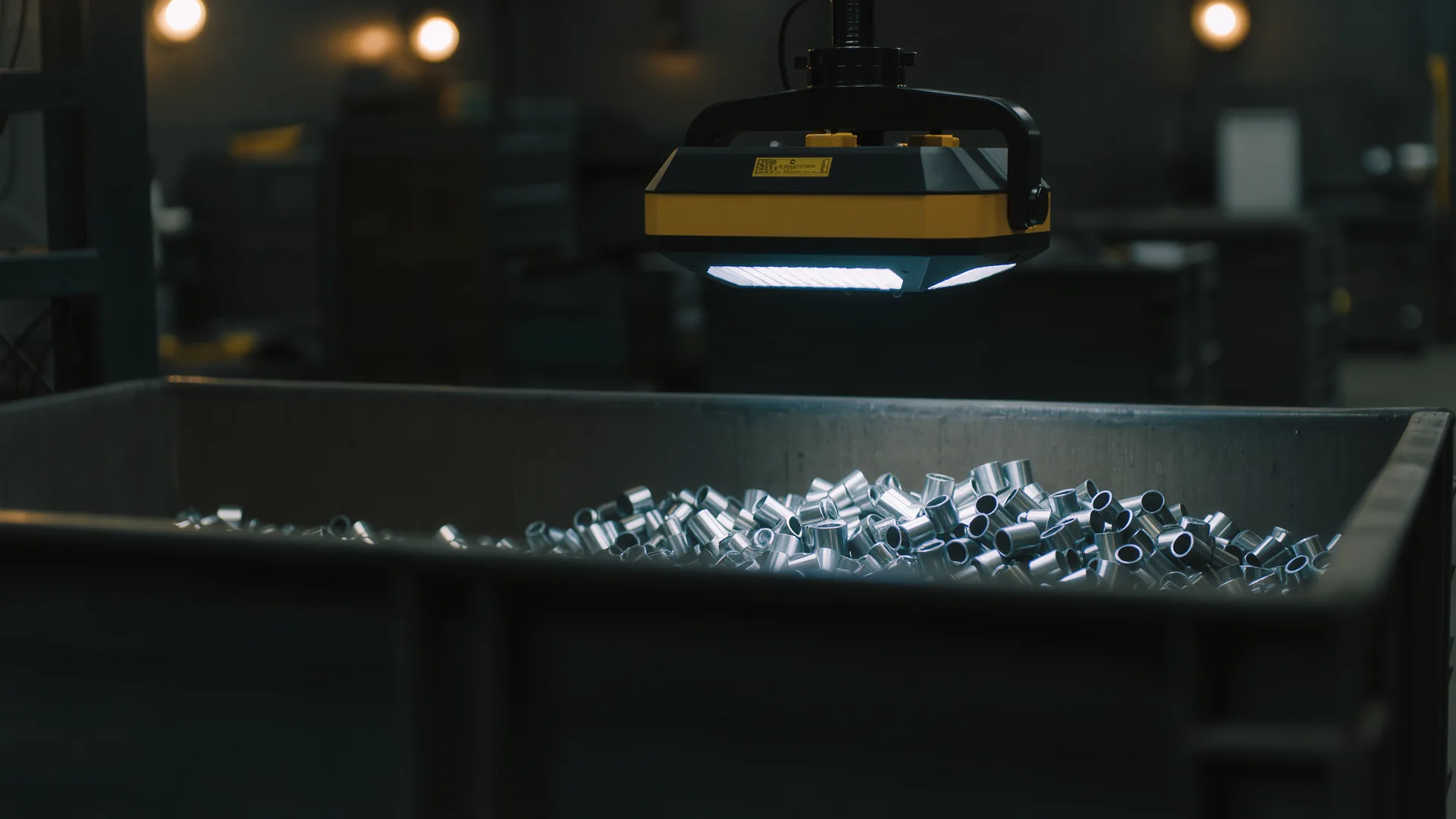
Bin Picking: What 3D Vision Accuracy Do You Actually Need?
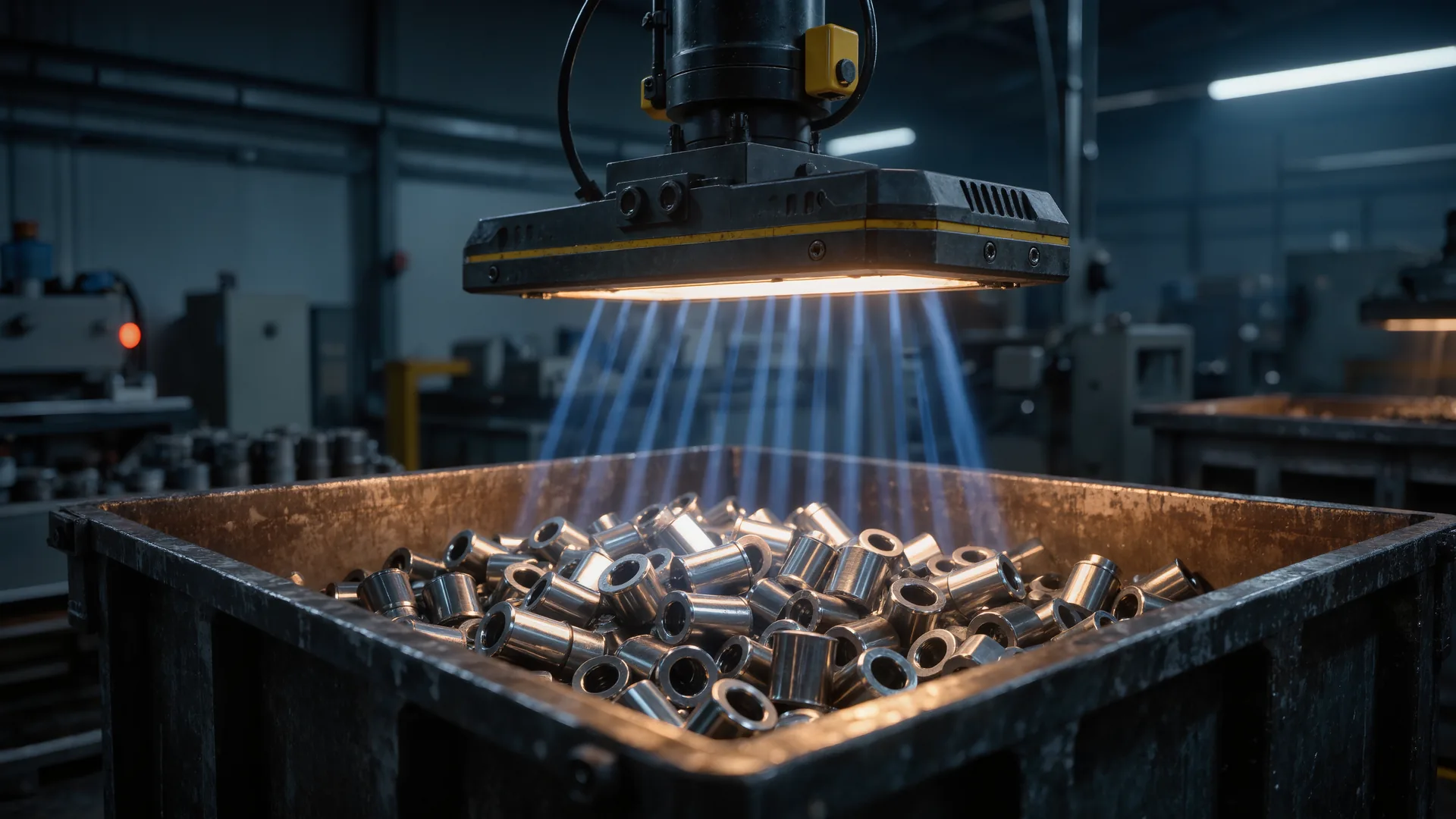
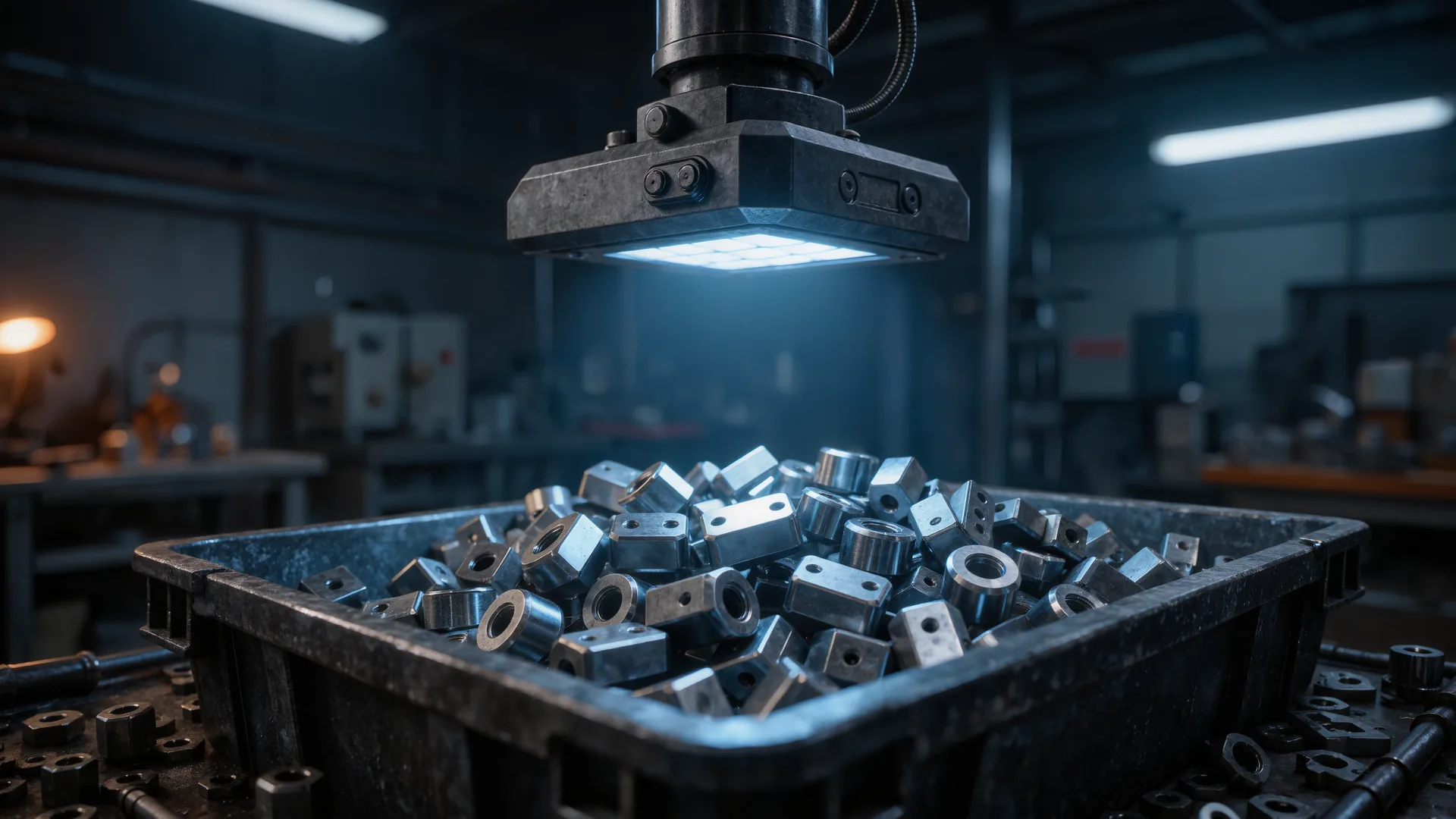
Pose accuracy of 0.5 to 2 mm and 1 to 3 degrees is enough for most bin picking, because the gripper absorbs the rest. What actually breaks...
Section 07
What robots measure, how precisely, and where the measurement quietly fails.
Pose accuracy of 0.5 to 2 mm and 1 to 3 degrees is enough for most bin picking, because the gripper absorbs the rest. What actually breaks...
An event camera reports per-pixel brightness changes asynchronously instead of whole frames on a clock. That gives microsecond-scale...
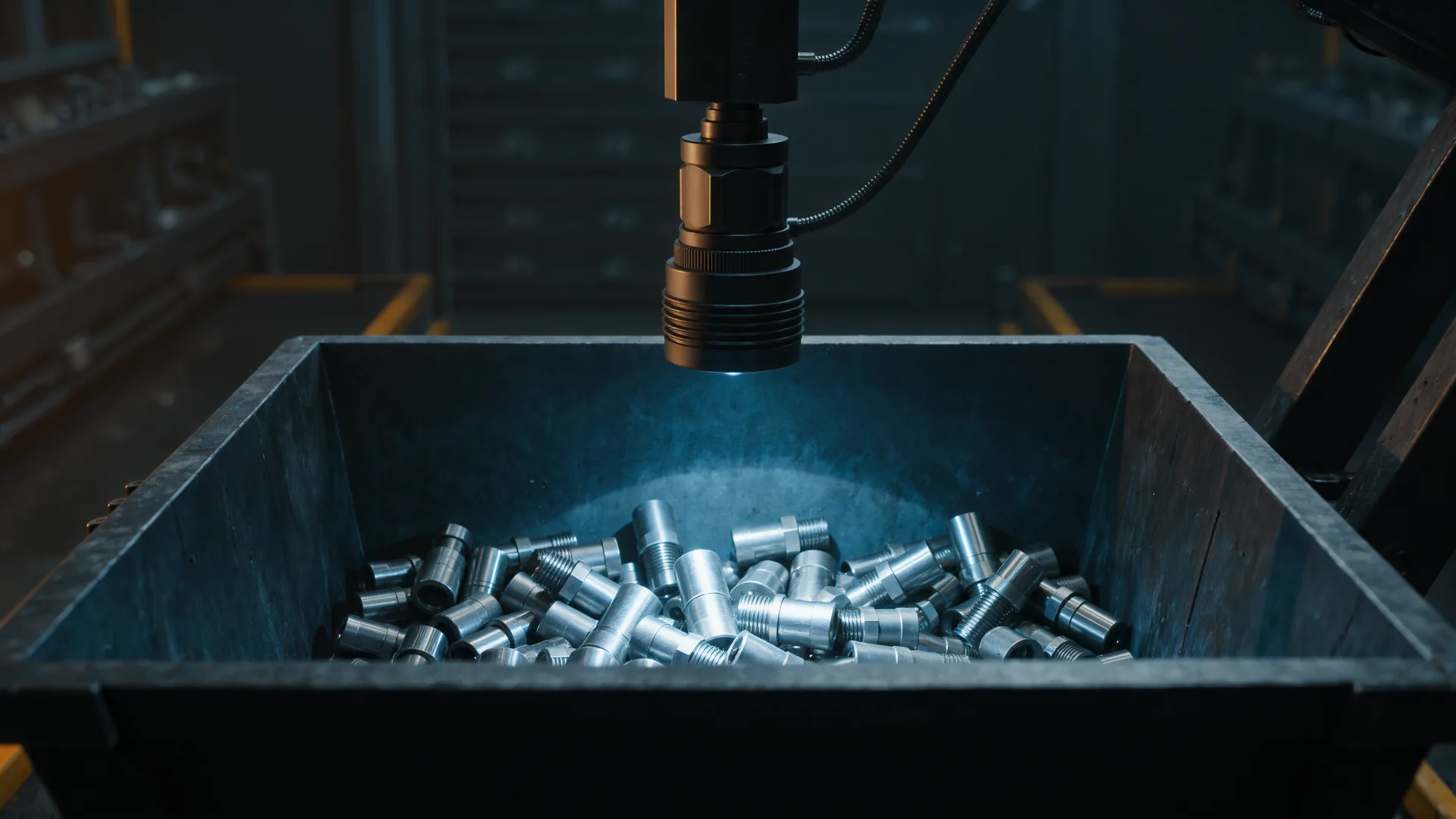
Size on resolution and noise, not on rated range. A sensor rated to 500 N with 0.5 N of noise is worse for a 20 N assembly task than one...
A careful hand-eye calibration reaches 0.2 to 0.8 mm of residual error on a mid-size arm. Anything above 1.5 mm usually means the procedure...
A consumer-grade gyroscope with a bias stability of 10 degrees per hour accumulates about 0.17 degrees per minute of heading error, and on...
Choose by surface, then range, then cost. Structured light gives the best short-range accuracy, typically 0.05 to 0.5 mm at 0.5 m, and...
Lighting decides whether a vision project works, and it is chosen last in most projects. Six mistakes account for the majority of failures:...
A 17-bit encoder divides one revolution into 131,072 counts. Behind a 100:1 gearbox that is 13.1 million counts per output revolution, or...
Field length is calculated, not chosen. The minimum distance is the approach speed multiplied by the total system stopping time, plus an...
Humans regulate grip force from tactile feedback within roughly 100 ms of a slip beginning, using around 17,000 mechanoreceptors per hand....