Humanoids and Legged Robots
How Bipedal Robots Stay Upright: From ZMP to MPC
A biped stays upright by keeping the ground reaction force where it can still generate a correcting moment. The classical answer keeps the...
Section 04
Legs, hands and the energy budget that still limits every humanoid programme.
A biped stays upright by keeping the ground reaction force where it can still generate a correcting moment. The classical answer keeps the...
A humanoid spends energy just standing up. Unlike a wheeled robot, which draws close to zero at rest, a legged machine holds its posture...
Legs buy access to stairs, kerbs and cluttered floors, and they cost energy, complexity and a fall risk that no wheeled machine carries. In...
On paper yes, in practice no. Full-size humanoids publish 16 to 25 kg dual-arm payloads, which sits near the 23 kg reference load used in...
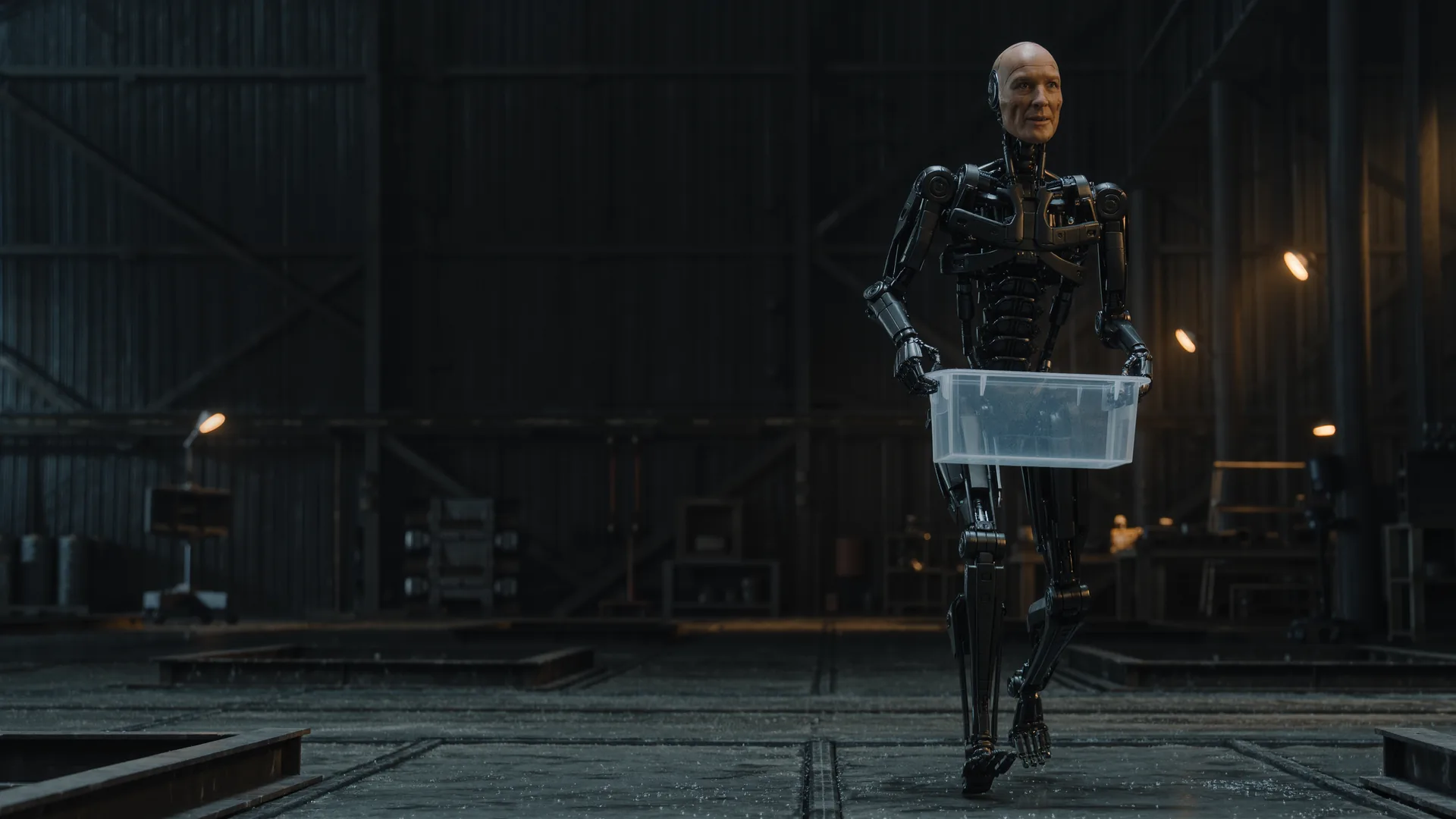
Actuators are 40 % to 55 % of the bill of materials, and a full-size humanoid has 25 to 45 of them. Published list prices span a factor of...
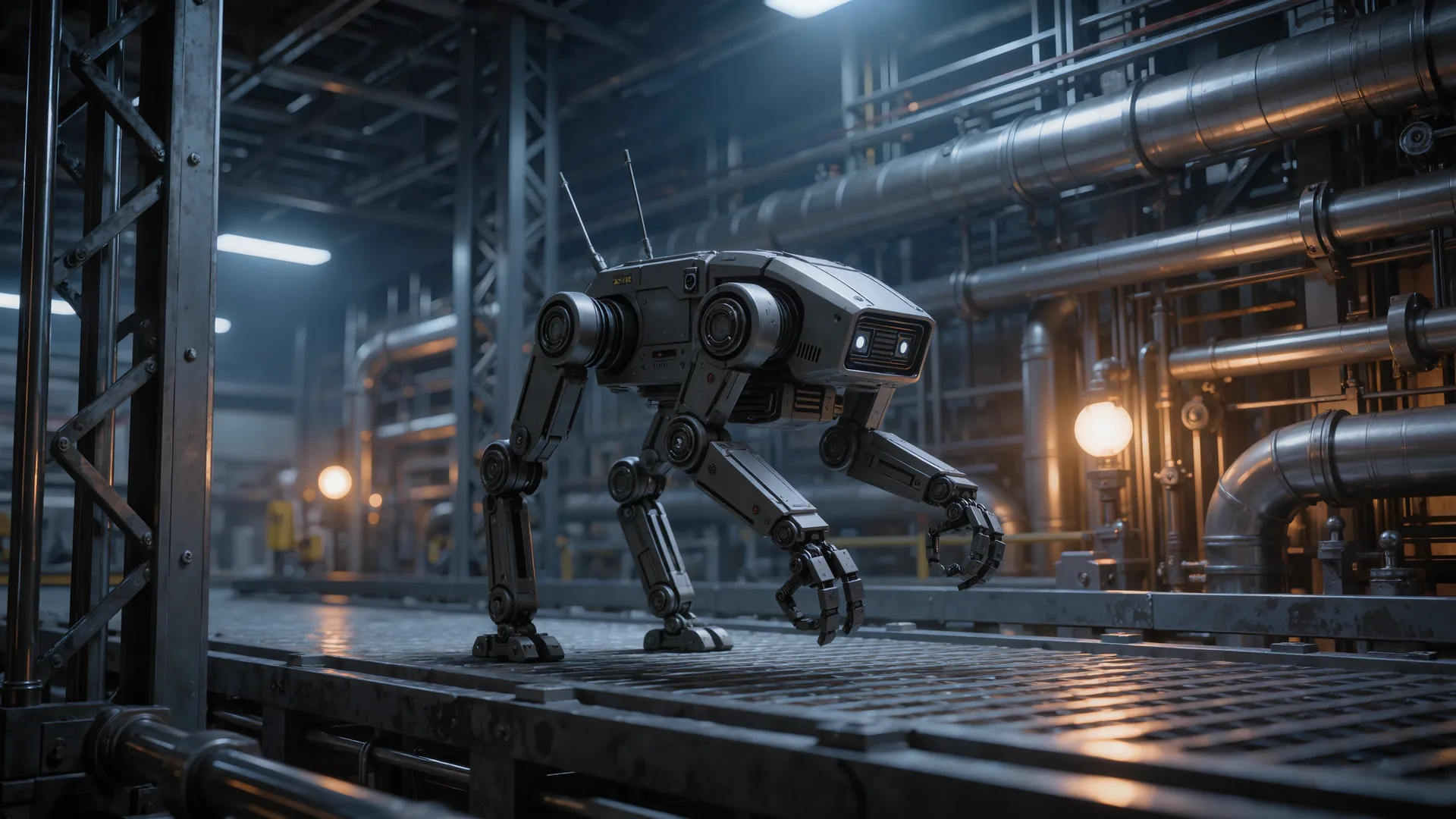
Roughly a dozen humanoid programmes have hardware in customer hands. The honest picture: payloads cluster at 16 to 25 kg, runtimes at 2 to...
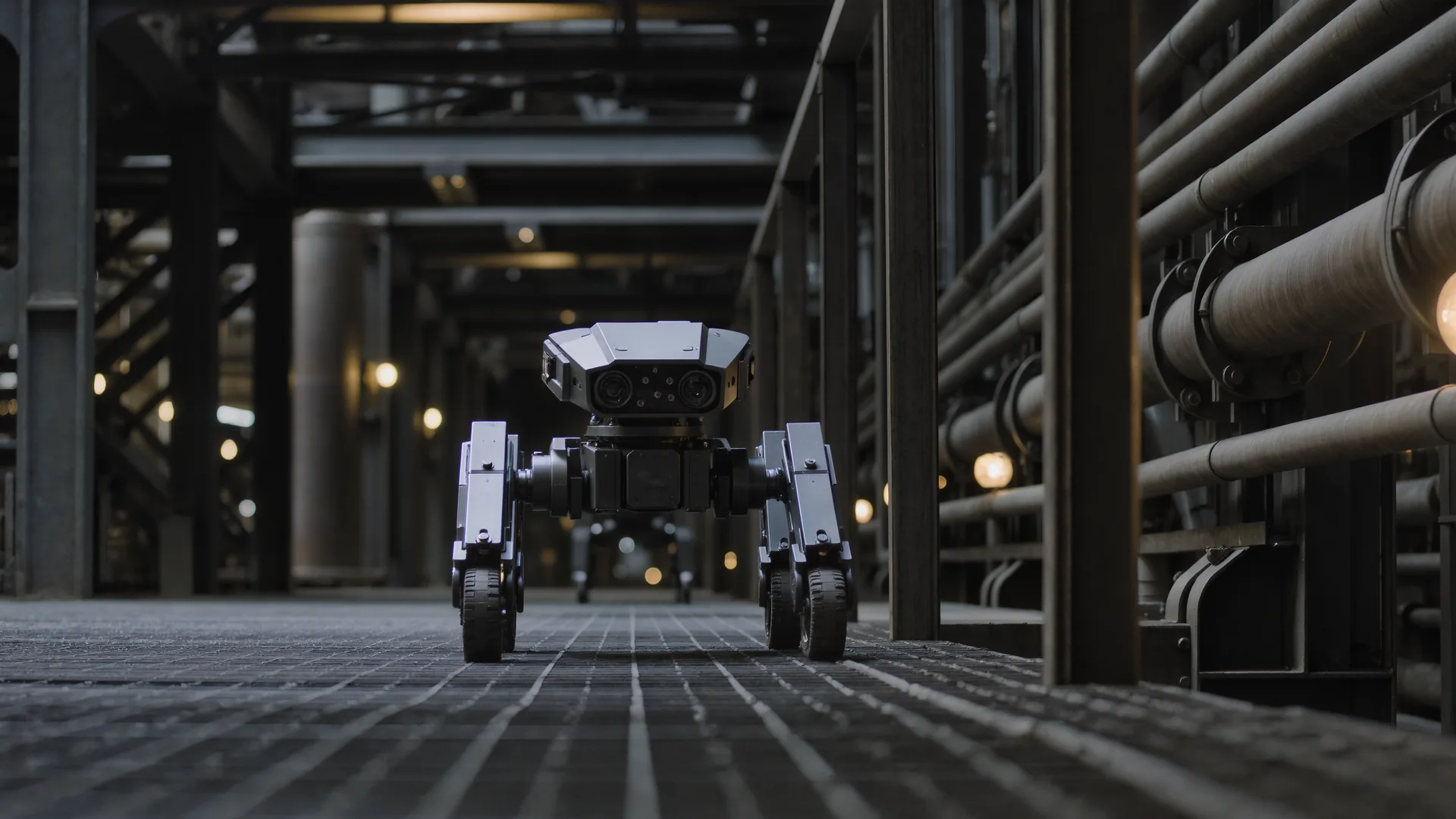
There is no published standard for a free-walking humanoid working near people. ISO 10218 covers industrial robots in a defined workspace,...
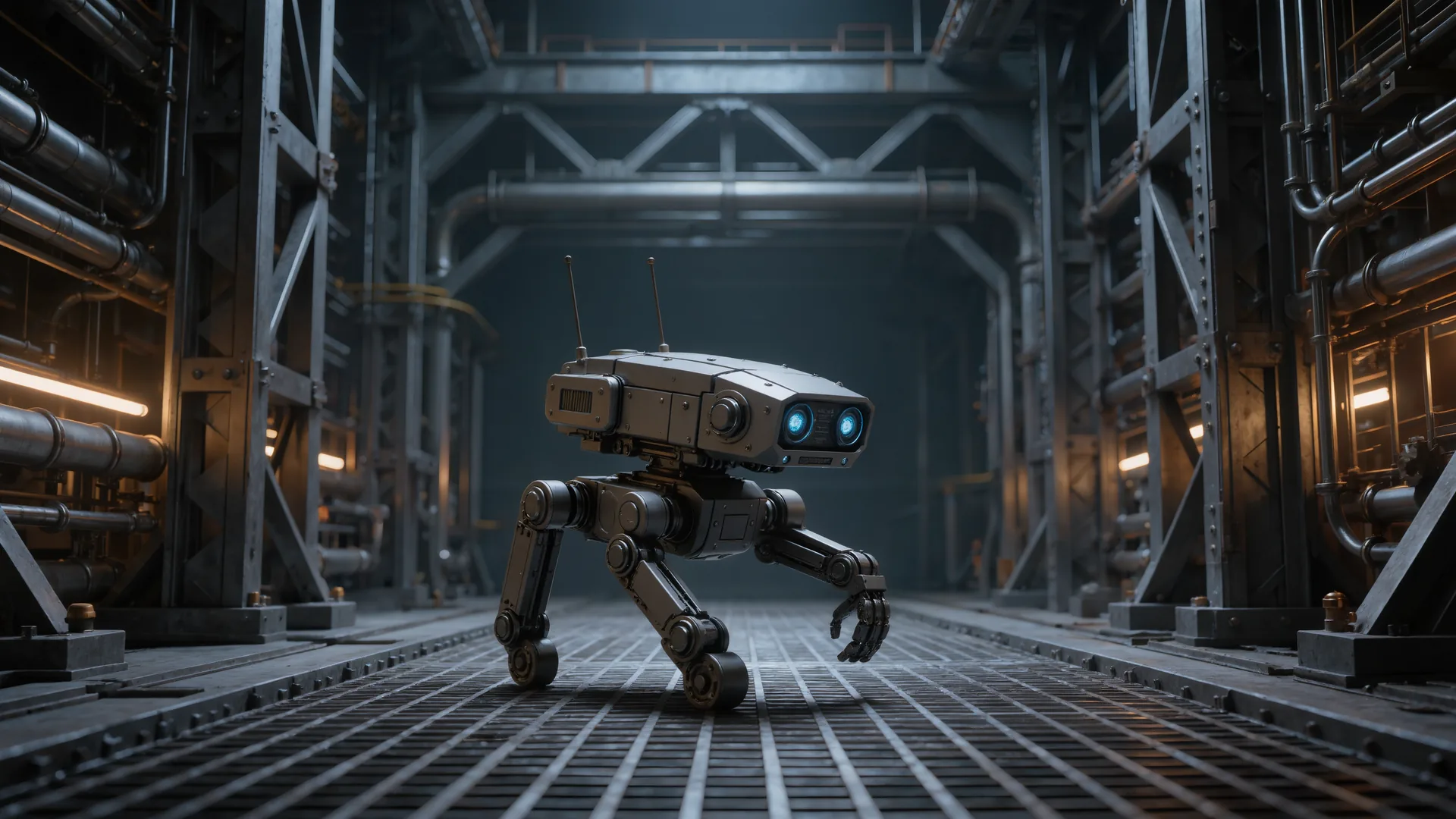
Almost all humanoid manipulation policies are trained on human demonstrations, captured by a person driving the robot or wearing a rig. A...
Count the steps and the grating. If the inspection route has neither, a wheeled or tracked platform does the same job at roughly a third of...
For industrial handling, 1 degree of freedom is usually enough: a parallel gripper covers the overwhelming majority of grasps. Useful...