Mobile Robots
Opportunity Charging vs Battery Swap for Mobile Robots
For fleets under about 30 vehicles, opportunity charging almost always wins: the robot tops up for 3 to 8 minutes whenever it idles, and...
Section 03
AMRs, AGVs and the throughput math that decides whether the fleet pays.
For fleets under about 30 vehicles, opportunity charging almost always wins: the robot tops up for 3 to 8 minutes whenever it idles, and...
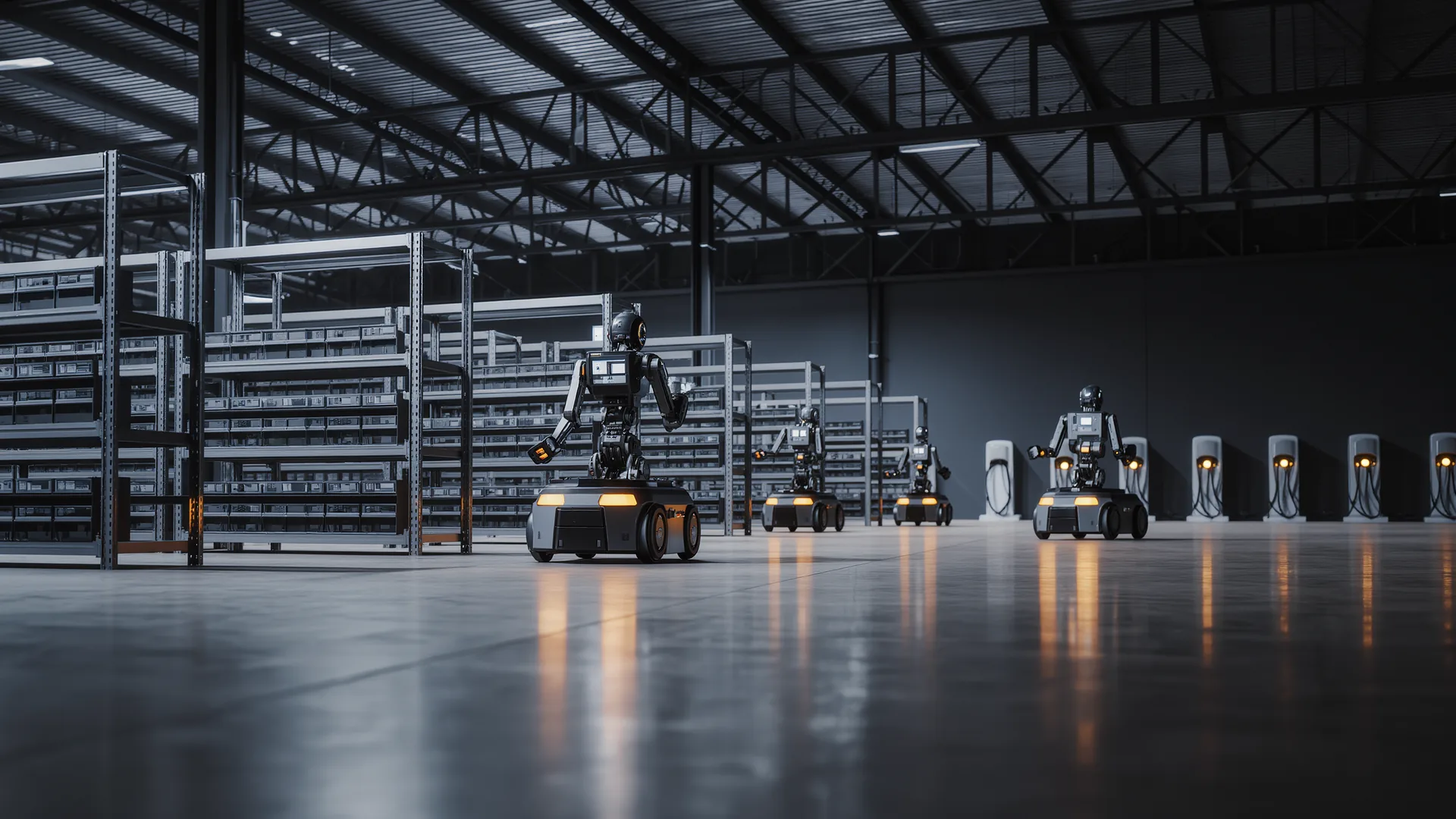
Fleet size equals required trips per hour, divided by trips per hour per robot, divided by (1 minus congestion loss), then multiplied by a...
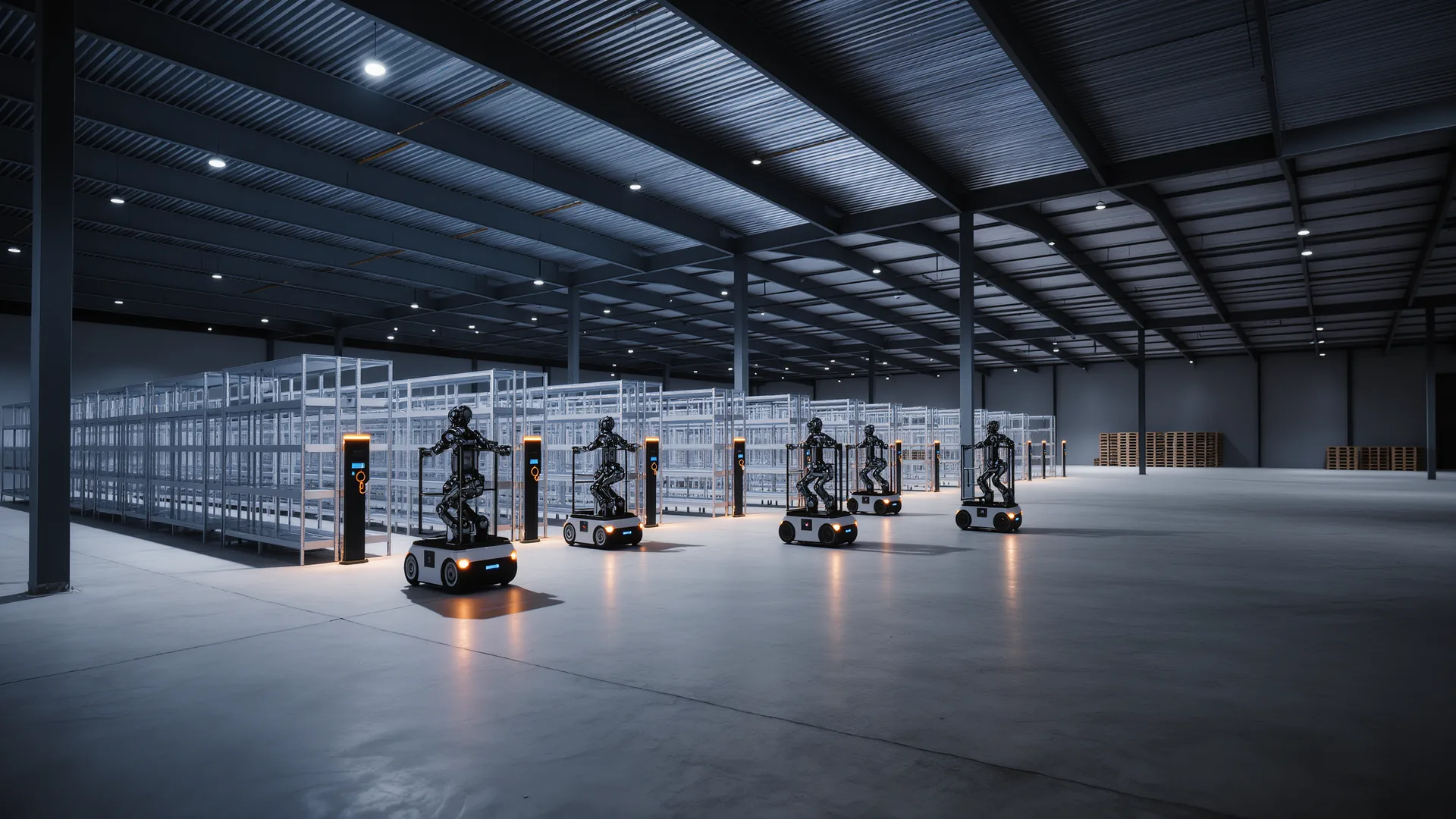
Manual picking costs roughly 0.12 to 0.35 euro per line in a conventional walk-and-pick operation. A goods-to-person robot system costs...
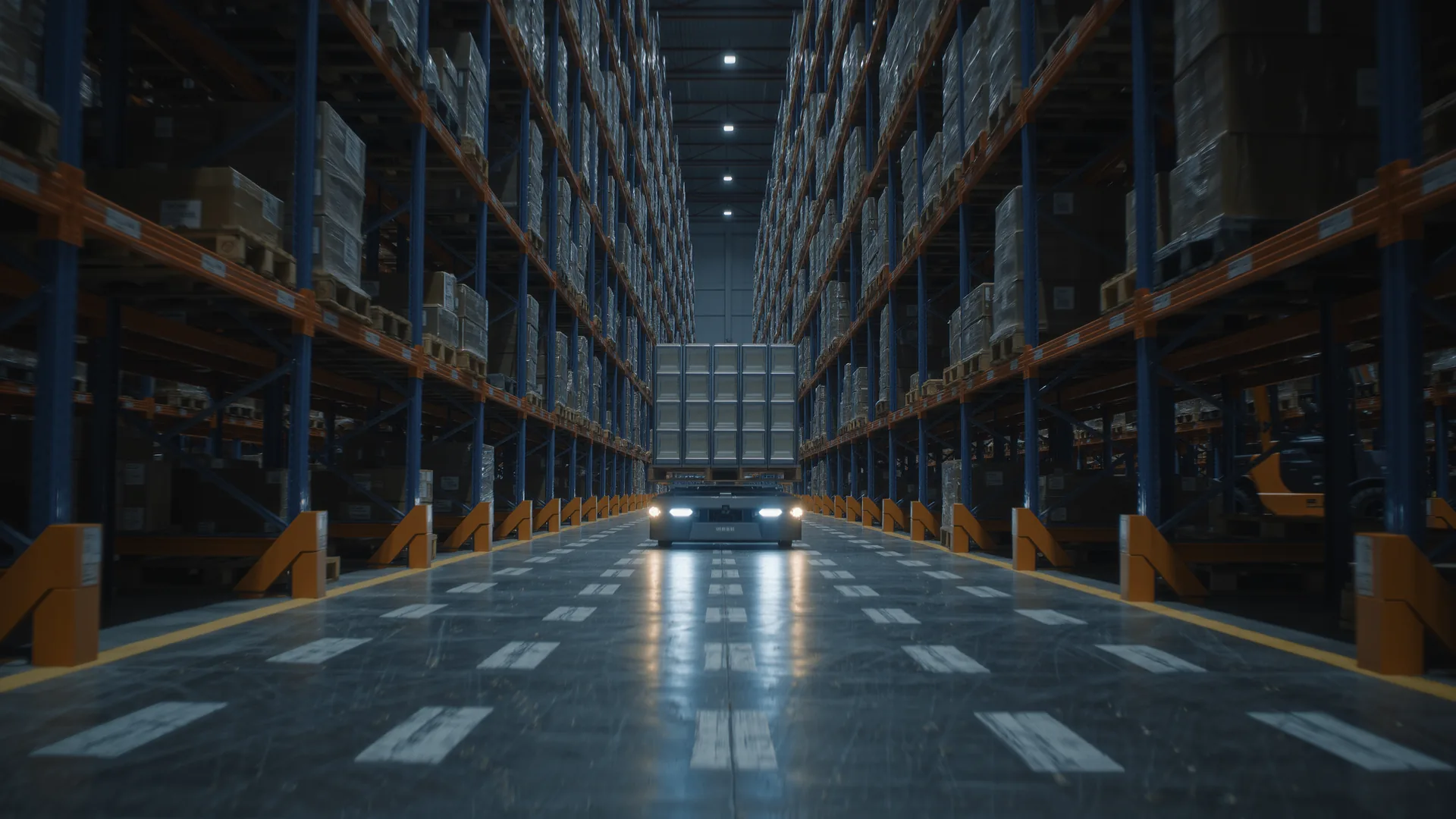
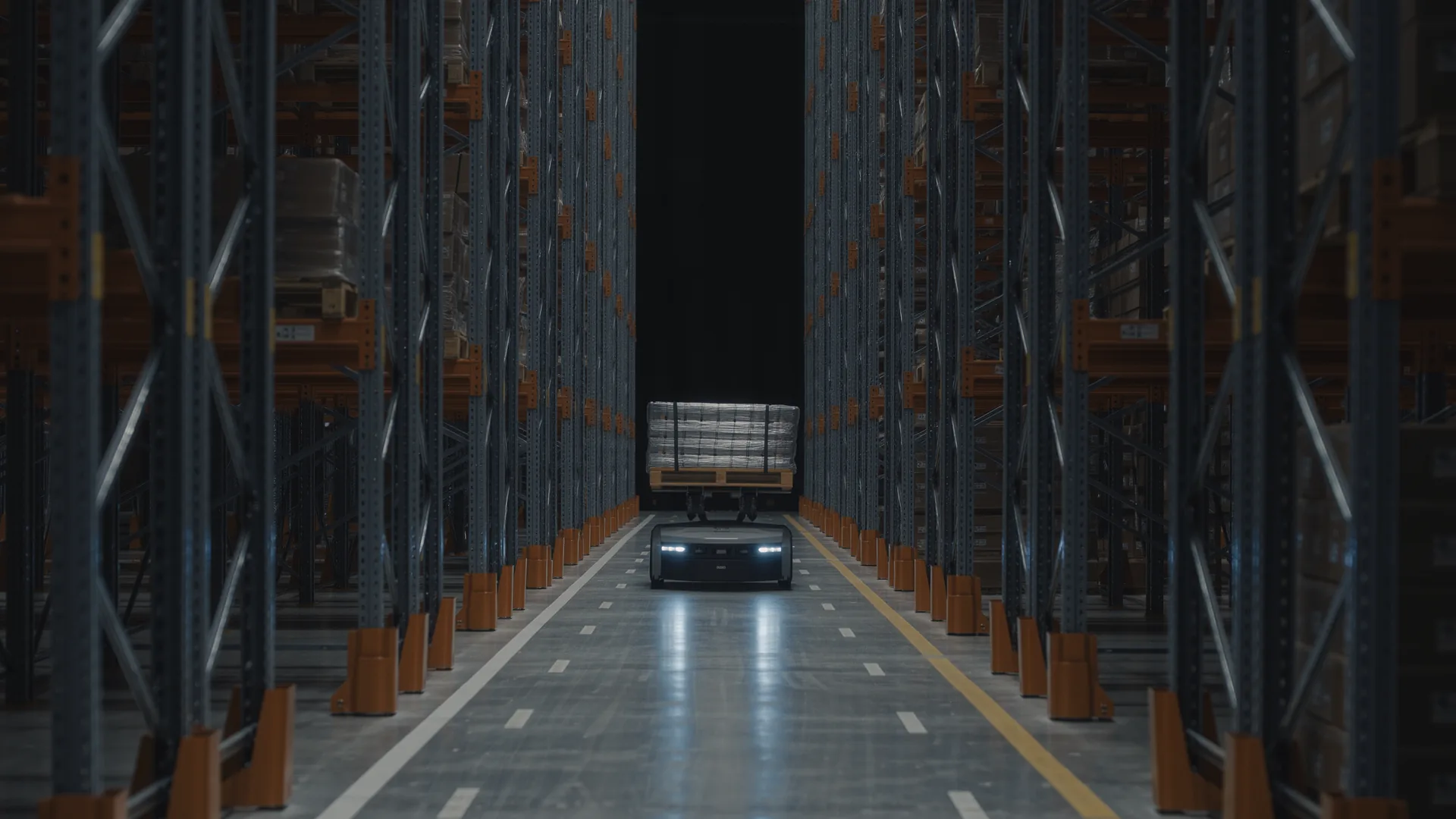
An AGV follows a fixed, installed path, whether that is magnetic tape, an inductive wire or reflector triangulation. An AMR carries a map...
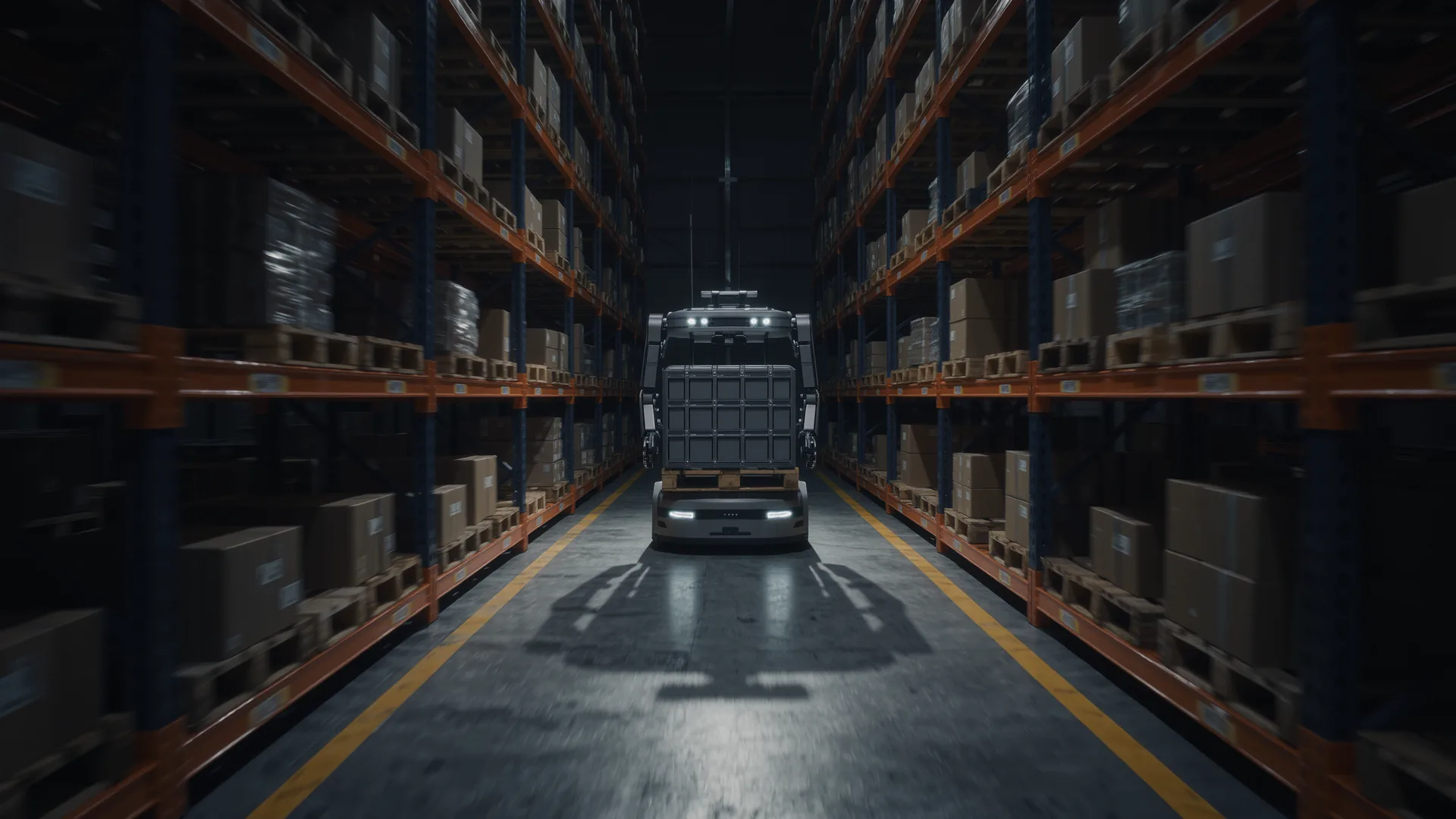
ISO 3691-4 governs every driverless industrial truck, whether it follows a wire or navigates freely. Its central demand is simple and...
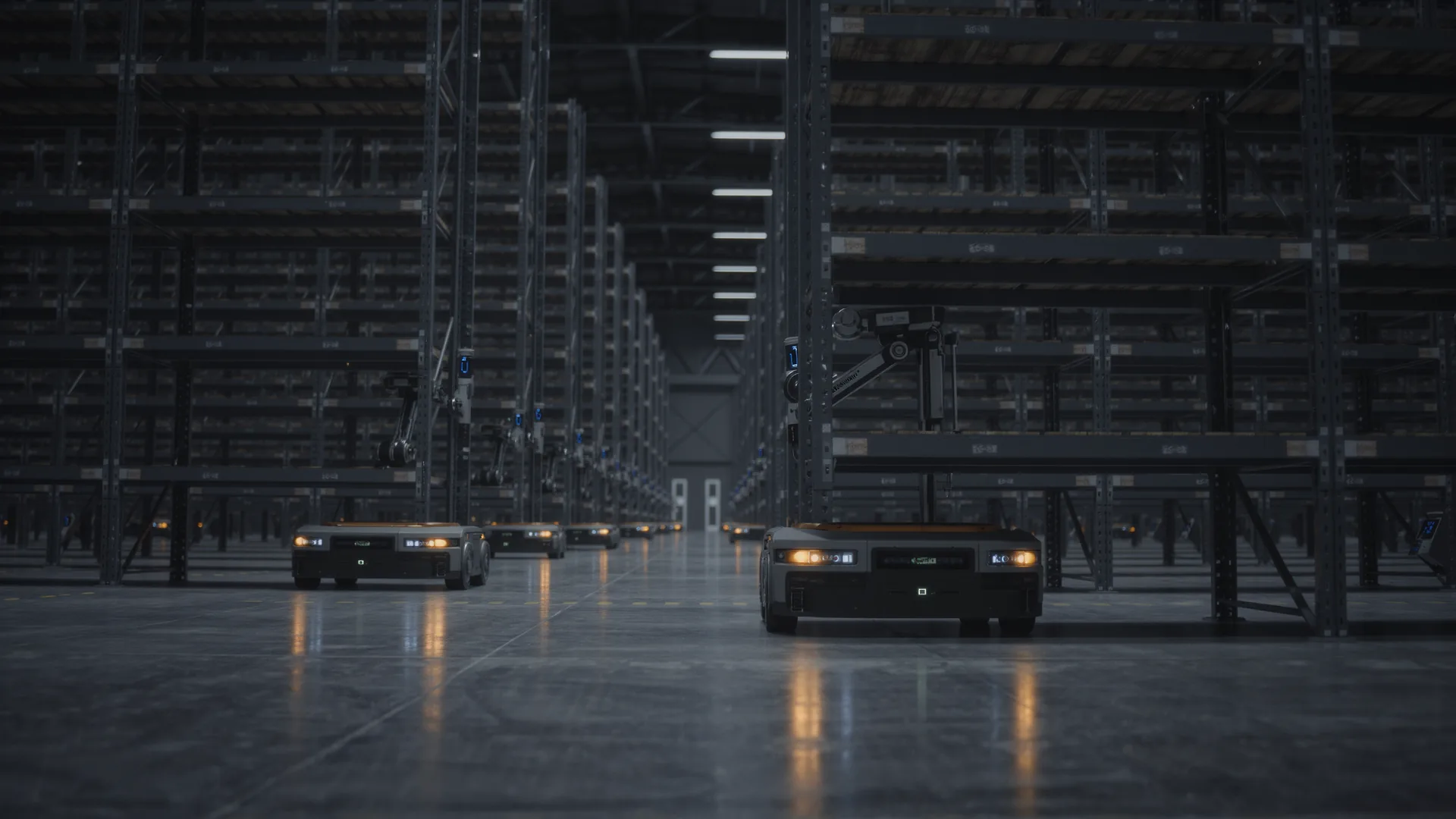
A mobile manipulator pays when the work is spread across many stations at low volume each. The rule of thumb: if any single station needs...
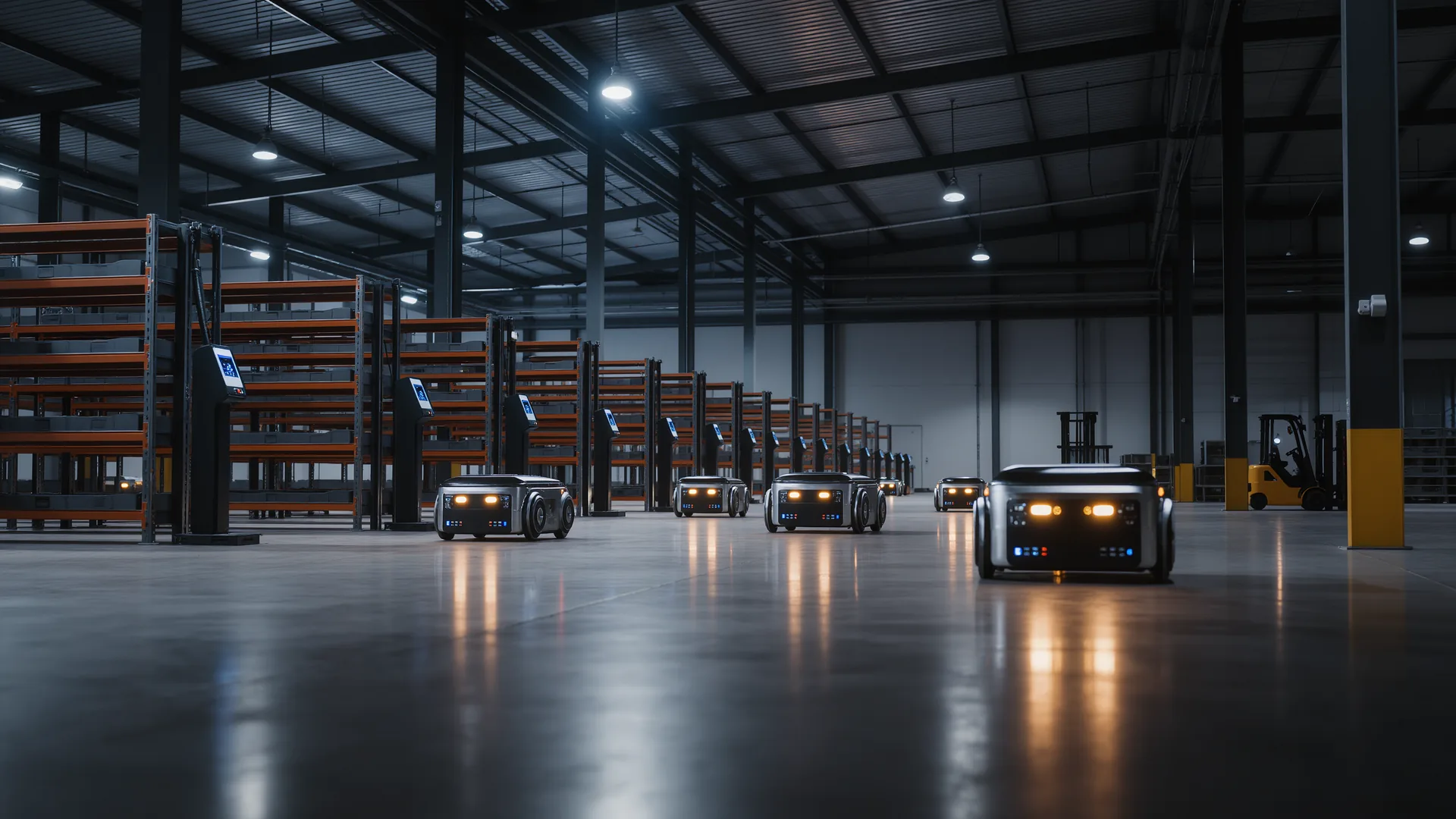
Standard GNSS positioning carries 2 to 5 m of horizontal error, which is worse than the width of most vehicles. RTK correction reduces that...
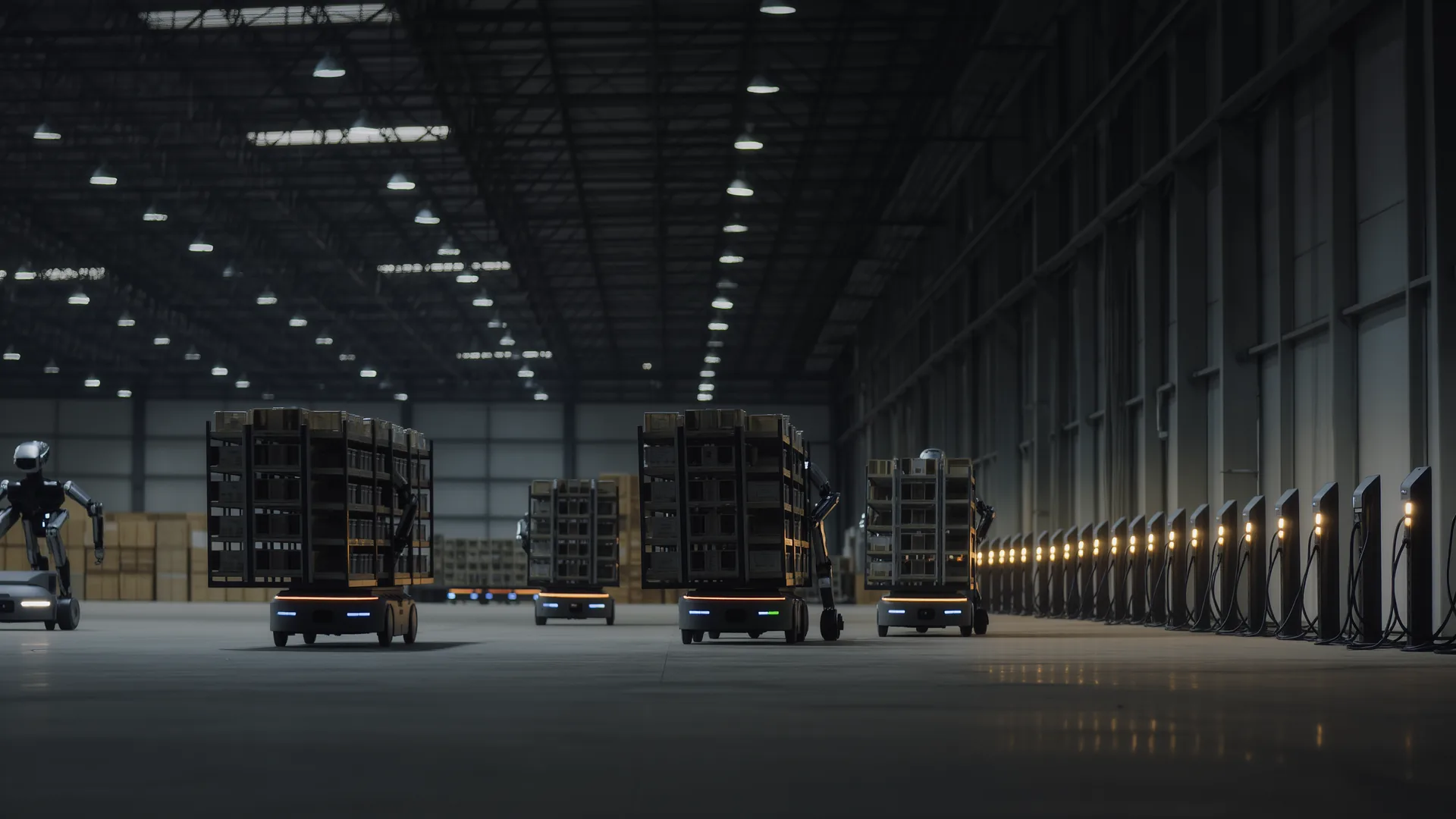
There is no global rule. Sidewalk delivery robots are regulated as vehicles or pedestrians under local traffic law, which means permission...
Choose by how often the layout changes, not by how modern the technology sounds. Magnetic tape gives ±5 mm for 20 to 80 euro per metre and...
Throughput per robot equals 3,600 divided by the full round-trip time, and the round trip is dominated by dwell, not by driving. A typical...